
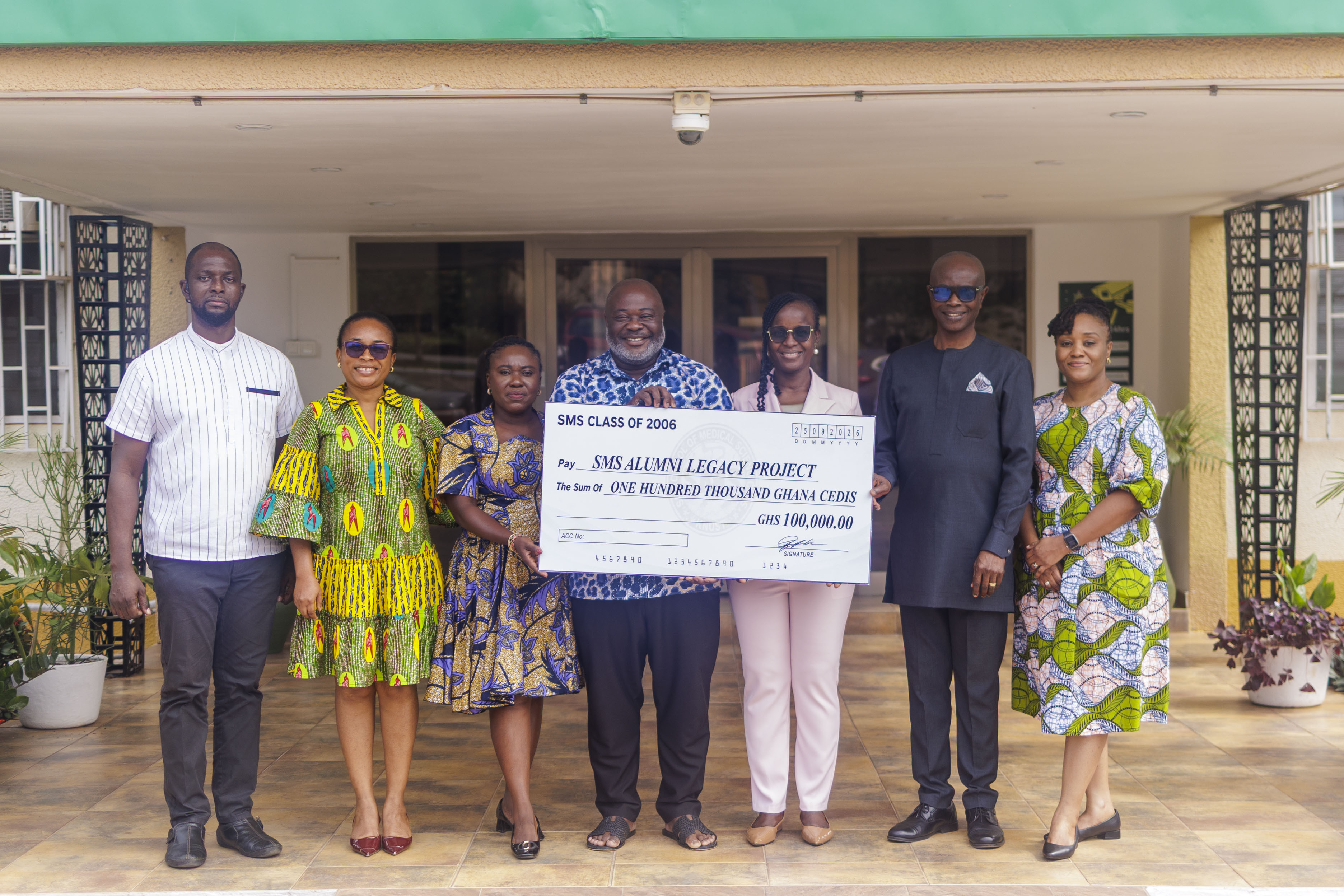
Members of the Class of 2006 of the School of Medical Sciences (SMS) at the Kwame Nkrumah University of Science and Technology, Kumasi (KNUST) have marked 20 years since completing their studies with a donation towards the school’s ongoing legacy project.
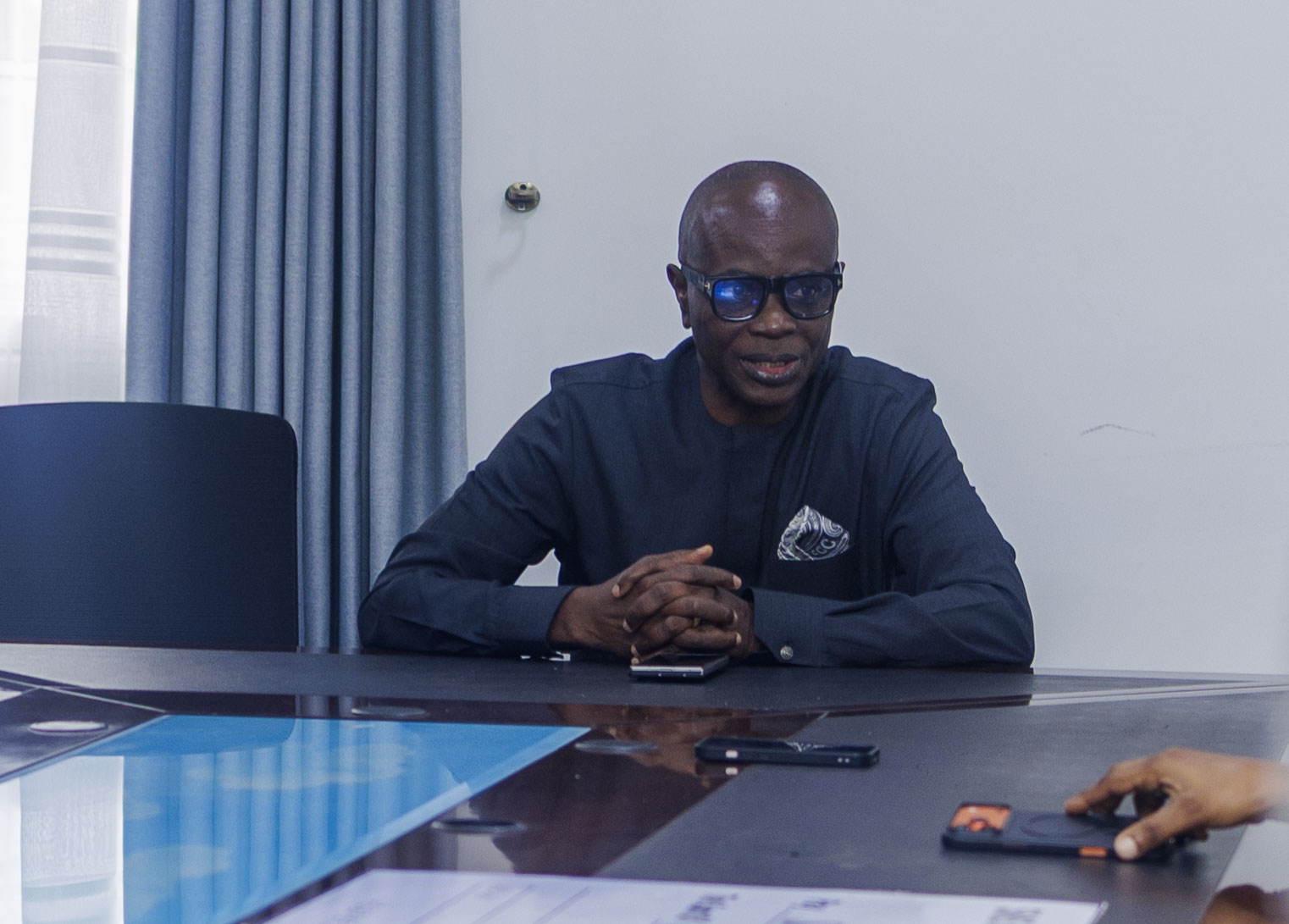
Professor Akwasi Antwi-Kusi, Dean of the School of Medical Sciences, said alumni contributions had become an important source of support for development projects at the school, with several infrastructure and renovation initiatives benefiting from the generosity of former students.
“The alumni have done so well over the years,” he said, noting that the impact of alumni support was particularly visible at the School of Medical Sciences.
He said the school was working towards the development of an ultra-modern facility at Komfo Anokye Teaching Hospital (KATH) to accommodate clinical departments, faculty offices, lecture theatres and rooms for problem-based learning.
Prof. Antwi-Kusi explained that the need for the facility had become more pressing as student numbers increased significantly and approaches to medical education changed.
“Because the way medicine was taught during our time is different from now,” he said, explaining that students in previous years were taught in much smaller groups.
He said the proposed facility would provide dedicated rooms to support problem-based learning and Objective Structured Clinical Examinations (OSCEs), which are currently constrained by limited space.
“Now we don't have rooms, so we just use the lecture room, and then use poster boards to divide the place and all that,” he said.
Prof. Antwi-Kusi also commended the Class of 2006 for supporting the legacy project, noting that alumni often use milestone anniversaries as opportunities to reconnect with their alma mater and contribute to its development.
Prof. Linda Foudjour, Head of the Department of Molecular Medicine and fundraising chair for the school’s celebration and alumni activities, expressed appreciation to the Class of 2006 for remembering their roots.
“I guess I'll say a very big thank you to the Class of 2006,” she said. “It’s a big thank you that you didn't forget your school, your roots, and you have come back to support the legacy project.”
She expressed the hope that the donation would contribute meaningfully to the project, adding that every contribution towards the development of the facility would help move the initiative forward.
Prof. Foudjour also encouraged other alumni and year groups to emulate the gesture by supporting the school’s development efforts.
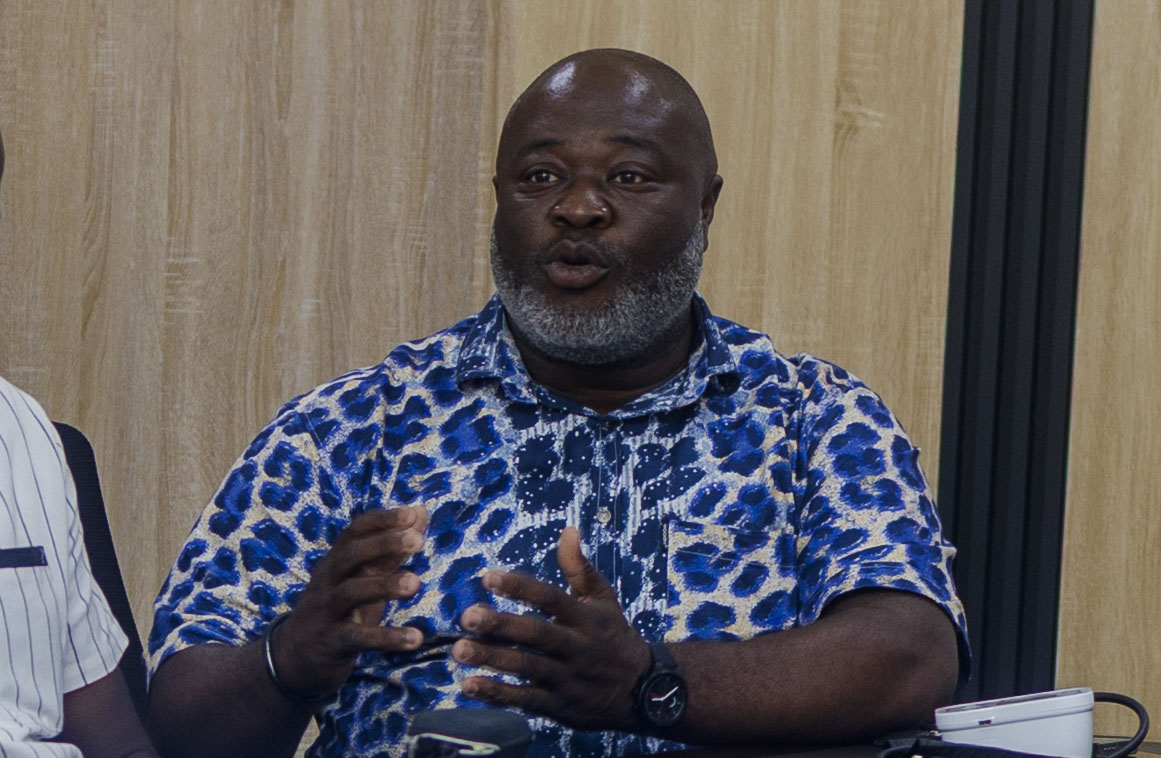
Dr. Bernard Anin, Team Lead and Medical Superintendent at Manhyia Hospital, on behalf of the Class of 2006, said the group comprised 108 students who were admitted to the School of Medical Sciences in 1999.
He explained that the delegation represented the entire year group and had returned not only to mark the 20th anniversary of their graduation but also to show appreciation for the institution that had shaped their professional lives.
“We are here not for ourselves, but for the Class of 2006,” he said. “We know what SMS has done for us. We know the changes, the experiences, the memories, the learning opportunities and the whole journey.”
Dr. Anin said the alumni considered giving back to the institution a responsibility, particularly because of the role the school had played in their personal and professional development.
“When it comes to helping and bringing back to what made you, I think the class has a responsibility,” he said.
He stated that preparations for the donation began around KNUST’s 50th anniversary celebrations. Although the anniversary event had already taken place, the class continued with its plans until members were able to return to the school and make their contribution.
“We finally got to where the class thought it was fit that we should be able to come to the school, to come and also show our appreciation and contribute our quota to this legacy project,” he said.
Dr. Anin said the gesture was also intended to demonstrate the class’s gratitude for the opportunities and experiences it received during its years at the School of Medical Sciences.
He explained that their return was ultimately about preserving the connection between graduates and their alma mater while helping to create better learning opportunities for future generations of medical students.
“We cannot say we are who we are now without SMS,” he said.
Story: Akosua Konadu Bandoh


